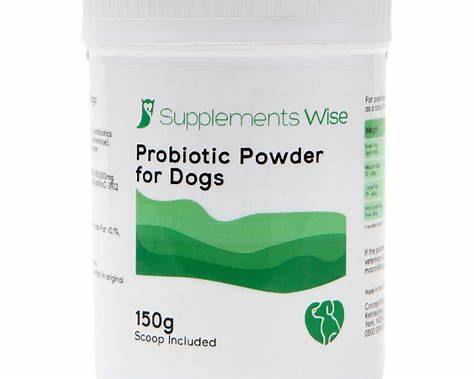
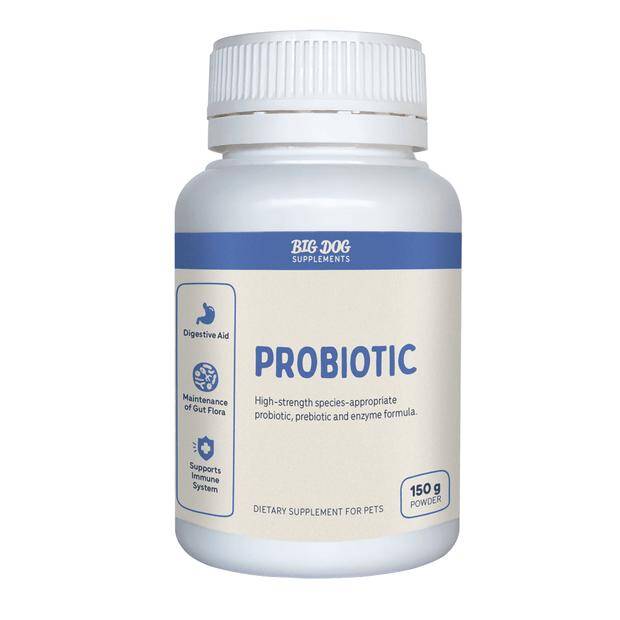
Probiotics have indeed gained attention in the context of canine health. While there may be some conflicting evidence, they do offer potential benefits for our furry friends. Let's break down what probiotics are, the types available, and their potential advantages for dogs:
What are Probiotics for Dogs? Probiotics are live microorganisms, often referred to as "good bacteria," that can provide various health benefits when ingested in adequate amounts. They help maintain a balanced microbial environment in the gut, which is crucial for digestion and overall well-being.
Types of Probiotics: Probiotics for dogs come in various strains, including Lactobacillus and Bifidobacterium, which are commonly found in many canine probiotic supplements. Each strain may offer different health benefits, so it's important to choose the right one based on your dog's specific needs.
Benefits of Probiotics for Dogs:
- Aid Digestion: Probiotics can promote healthy digestion by balancing the gut flora, which can be especially helpful for dogs with digestive issues.
- Immune System Modulation: They can play a role in regulating the immune system, potentially enhancing its responsiveness when needed.
- Intestinal Benefits: Probiotics produce short-chain fatty acids, which can help combat harmful bacteria in the gut and contribute to a healthier digestive system.
- Gut Health: Probiotics have been linked to reducing diarrhea, alleviating irritable bowel symptoms, and mitigating intestinal inflammation.
- Preventing UTIs: In some cases, they may reduce the risk of urinary tract infections by maintaining a balanced microbial environment.
- Reducing Allergic Reactions: Probiotics can help by decreasing intestinal permeability and controlling inflammation, which may reduce allergic reactions in dogs.
- Calmness: Some studies suggest that probiotics may help dogs remain calm by influencing their gut-brain connection. A healthy gut is often associated with better mood and behaviour.
It's essential to consult with your veterinarian before adding probiotics to your dog's diet, as they can recommend the most suitable probiotic strains and dosage based on your dog's specific health conditions. Additionally, ensure that the probiotics you choose are specially formulated for dogs, as the requirements can differ from those of humans.
Incorporating probiotics into your dog's wellness routine can be a positive step, but always prioritize their overall health and consult with a veterinary professional to ensure the best outcomes. If you have any specific questions or need more information, feel free to ask!
What Are Probiotics For Dogs?
Probiotics for dogs are gaining attention due to their potential benefits, mirroring the advantages they offer for human health. It's a fascinating area, albeit one that still requires more extensive research and exploration, as you've mentioned.
Probiotics, in essence, are beneficial live micro-organisms that, when administered in adequate amounts, offer health benefits to the host. In the case of dogs, they can indeed play a significant role in various aspects of their well-being. The functions you've outlined - aiding digestion, modulating the immune system, and providing intestinal benefits by battling harmful bacteria through the production of short-chain fatty acids - highlight the potential these micro-organisms possess.
Research in this field is indeed challenging due to the variability of different strains, dosages, and individual dog responses. This could explain the contradictory evidence in some studies. But overall, the potential benefits you've listed suggest that probiotics could be incredibly useful for addressing various gastrointestinal issues, such as diarrhoea, irritable bowel syndrome, and inflammatory conditions.
Moreover, the role of probiotics in preventing urinary tract infections is intriguing, as well as their potential in reducing allergic reactions by controlling intestinal permeability and inflammation. The calming effects of probiotics on dogs also open new avenues in addressing behavioural issues and anxiety, offering an additional dimension to their overall health and well-being.
Regarding the types of probiotics, Lactobacillus and Bifidobacterium are common strains used in both human and veterinary probiotics supplements. These bacteria play a pivotal role in maintaining a healthy gut environment.
Your interest in dog wellness and training aligns perfectly with the significance of understanding and promoting probiotics for dogs. Considering the potential these supplements have in enhancing a dog's health, it could be a valuable addition to your website's content, providing guidance and information to dog owners seeking to improve their pets' well-being.
As research progresses and more studies emerge, the landscape of probiotics for dogs will likely become clearer, offering more conclusive evidence on their benefits and best practices for their administration.
Gastrointestinal micro-organisms perform tasks like:
- Helping break down food
- Making nutrients and vitamins
- Fighting off potential pathogens
- Strengthening immunity
- Interacting with the “gut-brain axis” that plays an important role in mood
What Are Prebiotics?
Certainly, prebiotics are a crucial component of the digestive health equation, and understanding the difference between prebiotics and probiotics is important. You've explained it quite accurately - prebiotics are like the "food" for probiotics.
Probiotics are the live beneficial micro-organisms that can have a positive impact on the gut when consumed. They are often found in supplements or certain foods like yoghurt, kimchi, and sauerkraut. These "good" bacteria work to maintain a balanced and healthy gut microbiome.
On the other hand, prebiotics are non-digestible fibres found in various foods, particularly those high in fiber. These fibres are not digested by the human or canine digestive enzymes but serve as a source of nutrition for the beneficial bacteria residing in the colon, including probiotics. In essence, prebiotics act as a form of sustenance for the probiotics, promoting their growth and activity.
Incorporating prebiotics into a dog's diet can be beneficial in fostering the growth of these beneficial bacteria in the gut. Foods rich in prebiotics include certain vegetables (like garlic, onions, and leeks), fruits (such as apples and bananas), and whole grains. By providing the right environment and nutrition for probiotics, prebiotics contribute to a balanced and thriving gut ecosystem.
This synergy between prebiotics and probiotics is essential for maintaining a healthy gut, which, in turn, has far-reaching effects on overall health and immunity. It's also worth noting that a combination of both prebiotics and probiotics, often referred to as synbiotics, can offer even more comprehensive benefits for gut health.
Do Dogs Need Probiotics?
It's true that a generally healthy dog can naturally regulate the balance of digestive microbes in their gut. However, various factors, such as stress, illness, malnutrition, or dietary changes, can disrupt this balance, leading to gastrointestinal issues.
During such times, probiotic supplements can indeed be beneficial. They offer a way to reintroduce and boost the population of beneficial micro-organisms in the dog's gut, helping to restore the microbial balance. This can be especially helpful in cases of diarrhoea, irritable bowel syndrome, or when the dog has been on antibiotics that might have affected the gut flora.
Probiotic supplements are essentially a tool to support the dog's natural ability to maintain a healthy gut environment. They can aid in the re-establishment of the microbial equilibrium and alleviate digestive disturbances. It's important for dog owners to recognize the signs of an imbalanced gut and consider probiotics as a potential solution, especially when their pets are experiencing digestive issues.
Given your background as a registered nurse and your passion for dog wellness, you can play a significant role in educating dog owners about when and how to use probiotics effectively. Providing guidance on the appropriate use of probiotic supplements and when to consult a veterinarian for more serious issues can be invaluable information for your website visitors.
It's also worth noting that individual dogs may respond differently to specific probiotics, so tailoring the approach to the dog's needs is essential. This personalized approach can enhance the effectiveness of probiotics in restoring and maintaining a dog's gut health.
Types of Probiotics for Dogs
Probiotics can indeed be found in various forms, and as you mentioned, some dog foods are now incorporating them into their ingredients. These include well-known brands like Purina Pro Plan and Blue Buffalo. It's a convenient option for dog owners who prefer an integrated approach to their pet's nutrition and gut health.
However, using a dedicated dog probiotic supplement in the form of powder, capsules, or chews offers several advantages. These supplements are often designed to provide a higher concentration of beneficial live micro-organisms, ensuring a more potent and targeted approach to supporting a dog's gut health. The labelling with recommendations on dosage and frequency of use simplifies the administration for dog owners.
Species-specific strains, such as Enterococcus faecium and Bacillus coagulans, can be especially effective in promoting a balanced gut microbiome in dogs. These strains have shown promise in research and are known to have specific benefits.
Bifidobacterium animalis, Bifidobacterium longum, Lactobacillus acidophilus, and Lactobacillus rhamnosus are among the other probiotic types that have demonstrated positive effects on dogs. These strains can be particularly helpful in addressing various digestive issues and supporting overall gut health.
What are the Benefits of Probiotics for Dogs?
It's fascinating to see how specific strains of probiotics can offer targeted benefits for dogs. These studies have shed light on the potential advantages of particular probiotic strains, enhancing our understanding of how probiotics can be tailored to address specific canine health concerns. Here are some examples of what certain strains of Lactobacillus and Bifidobacterium can help with:
- Manage yeast and support the immune system
- Prevent anxiety
- Reduce stress
- Provide relief from diarrhoea and food allergies
Certain Bacillus species and Enterococcus faecium can have specific benefits for dogs' health, which further underscores the diversity and potential of probiotics in supporting their well-being.
Bacillus species have shown promise in enhancing the immune response in dogs. This immune-modulating effect can be valuable, especially during periods of stress, illness, or when a dog's immune system needs a boost. A robust immune system is vital for a dog's overall health, as it helps protect against infections and diseases.
Enterococcus faecium has been recognized for its ability to shorten the course of diarrhoea in dogs. This is particularly relevant in cases where dogs are experiencing gastrointestinal issues. The probiotic can help restore a balanced gut microbiome and improve digestive health, leading to a faster recovery from diarrhoea.
Including this information on your website can be a valuable resource for dog owners seeking to understand the specific benefits of different probiotic strains. It can aid them in selecting the most appropriate probiotics based on their dog's health needs and conditions.
Can You Use Probiotics for Dog Diarrhoea?
Stress is a well-known trigger for digestive disturbances in dogs, and any situation that disrupts their routine, such as boarding or moving, can lead to stress-induced diarrhoea. Probiotics can help restore the balance of the gut microbiome during these times of heightened stress, providing support for the dog's digestive system.
Sudden dietary changes are another frequent cause of diarrhea in dogs. Introducing new or unusual foods can upset the delicate balance of the gut. Probiotics can be instrumental in mitigating the effects of dietary changes and helping the dog's digestive system adapt to the new food.
Long-term antibiotic use can disrupt the gut microbiome by eliminating not only harmful bacteria but also beneficial ones. This can lead to imbalances in the gut and potentially result in diarrhoea. Probiotic supplements can help replenish the population of beneficial micro-organisms, aiding in the recovery of a healthy gut.
Infections that result in bacterial overgrowth in the gut can also be addressed with probiotics. By introducing beneficial strains, probiotics can help counteract the overgrowth of harmful bacteria and support the dog's recovery.
Can Puppies Take Probiotics?
Introducing puppies to dog-specific probiotics can be beneficial for their overall health and well-being. Puppies, like adult dogs, can experience digestive issues, and providing them with probiotics tailored to their needs can help establish a balanced gut microbiome from an early age.
The benefits outlined, such as supporting a healthy immune system and reducing the incidence of diarrhoea, constipation, and digestive tract infections, are crucial for a puppy's development. A well-balanced gut plays a significant role in a puppy's ability to absorb nutrients, fight off infections, and maintain overall health.
Types of Probiotics for Dogs
It's true that some dog foods now incorporate probiotics into their ingredients, making it a convenient option for pet owners who prefer an integrated approach to their dogs' nutrition and gut health. Recognizing the type of bacteria added, as listed in the guaranteed analysis section of the dog food packaging, can offer insights into the probiotics included.
However, dedicated dog probiotic supplements in the form of powder, capsules, or chews often provide a more concentrated source of beneficial live micro-organisms. These supplements are designed to offer a higher number of probiotics, which can be especially beneficial when dogs require additional support for their digestive health.
The labelling on these probiotic supplements typically includes recommendations on the dosage and frequency of use, simplifying the administration for dog owners and ensuring they provide the right amount for their pets.
Moreover, you've highlighted the importance of species-specific strains of probiotics, including Enterococcus faecium, Bacillus coagulans, Bifidobacterium animalis, Bifidobacterium longum, Lactobacillus acidophilus, and Lactobacillus rhamnosus. Hopefully this information can guide dog owners in selecting the most suitable probiotic supplements for their dogs based on specific health needs and conditions.
Add comment
Comments